Your Roof's Worst Enemy Might Be Your Own Zip Code

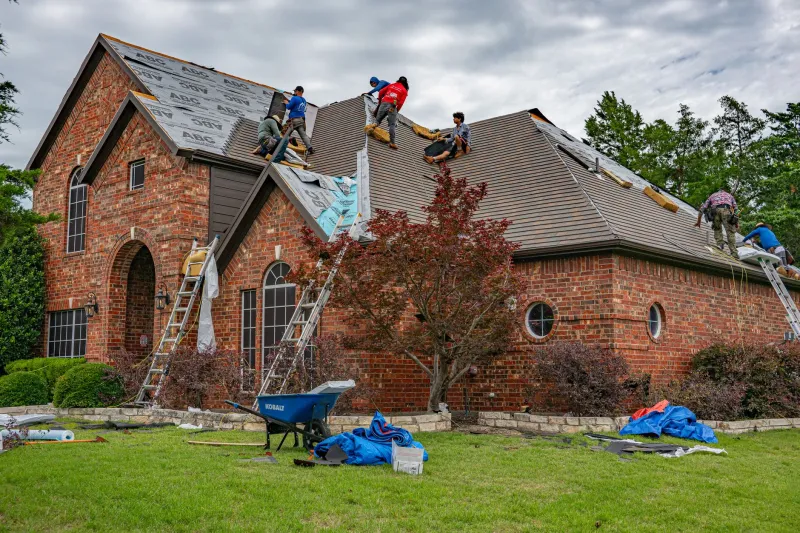
Photo by Photo by Tiago Rodrigues on Unsplash on Unsplash
Most homeowners think about roofing in terms of looks and price. Makes sense—those are the two things you notice right away. But there's a third factor that quietly drives every other decision: where you live.
A flat roof that performs beautifully on a dry Phoenix office building can become a soggy, leaking nightmare in coastal Georgia. A steeply pitched roof that sheds snow like a champ in Vermont might be serious overkill for a home in central Texas. Climate isn't just a backdrop to your roofing decision—it's the whole ballgame.
At 1BF Roofing & Exteriors, we've seen what happens when homeowners choose the wrong roof style for their region. It's not pretty, and it's not cheap. So let's break this down honestly, climate by climate.
What We Mean by Flat vs. Pitched
Quick clarification before we dig in: "flat" roofs aren't truly flat. They have a very slight slope—usually around a quarter-inch per foot—to allow minimal drainage. They're common on commercial buildings but increasingly popular in modern residential design.
Pitched roofs, on the other hand, have a visible slope. The steeper the pitch, the faster water and debris move off the surface. Architectural shingles, metal panels, and clay tiles are all typically installed on pitched roofs. Each style has its place—but that place is very much tied to geography.
The Hot, Humid South: Florida, Louisiana, Georgia, and the Gulf Coast
If you live anywhere along the Gulf Coast or the Southeast, your roof deals with a brutal combination: intense UV exposure, high humidity, heavy rainfall, and the occasional hurricane. That's a lot to ask of any roofing system.
In these regions, pitched roofs generally win on longevity. A steep pitch means rainwater—and there's a lot of it—moves off quickly, reducing the time moisture spends in contact with your roofing material. Metal roofing on a pitched structure is particularly tough here, often lasting 40 to 70 years with minimal maintenance.
Flat roofs in the Deep South face a constant battle with standing water and heat-driven material expansion. TPO and modified bitumen membranes can hold up reasonably well, but they require more frequent inspection and maintenance than their pitched counterparts. Expect to reseal or recoat every 5 to 10 years, and stay on top of drainage—clogged scuppers or drains can turn a light rainstorm into a ceiling collapse.
Bottom line: Pitched roofs offer a longer lifespan and lower long-term maintenance costs in humid Southern climates. Flat roofs are manageable but demand more attention.
The Arid Southwest: Arizona, New Mexico, Nevada, Southern California
Here's where flat roofs actually shine. The Southwest's low rainfall, minimal freeze-thaw cycles, and consistent heat make it one of the few regions where flat roofing genuinely makes financial sense for residential homes.
Without heavy precipitation to pool and seep, drainage becomes less of a crisis. The bigger enemy here is UV radiation—and it's relentless. Flat roofing membranes in Phoenix or Tucson degrade faster from sun exposure than from water. Reflective coatings and cool-roof membranes extend lifespan significantly, and many homeowners in this region see 20 to 25 years out of a properly installed flat roof.
Pitched roofs work fine in the Southwest, but they don't offer the same advantages they do elsewhere. You're paying for a steeper structure that handles rain you rarely get. That said, tile roofs—common in the region for aesthetic and cultural reasons—perform extremely well here and can last 50 years or more.
Bottom line: The Southwest is one of the few US regions where flat roofing is a legitimate long-term choice for residential properties. Both styles can work; your decision comes down to style preference and budget.
The Snowy North: Minnesota, Michigan, Upstate New York, New England
If your winters involve significant snowfall, a pitched roof isn't just a preference—it's practically a necessity for residential structures. Snow accumulation on a flat roof creates enormous structural stress. Wet snow, in particular, can weigh 20 pounds per cubic foot. A few inches of the wrong kind of snow on an improperly designed flat roof is a recipe for structural failure.
Steep-pitched roofs shed snow naturally, reducing load and minimizing ice dam formation (more on that in our next article). Metal roofing excels in snowy climates because snow slides off the smooth surface before it can build up. Asphalt architectural shingles also perform well when properly installed with adequate underlayment and attic ventilation.
Flat roofs in the North aren't unheard of—they're used on commercial buildings regularly—but they require engineering designed for snow loads, proper internal drainage systems, and serious insulation. For most residential homeowners, the added complexity and risk make flat roofing a tough sell.
Bottom line: Pitched roofs are the clear winner in heavy-snow climates. Flat roofs can be engineered for it, but the cost and complexity usually don't make sense for single-family homes.
The Variable Midwest: Ohio, Indiana, Illinois, Missouri
The Midwest is the most complicated region to give advice for, because it throws everything at your roof. Blistering summers. Icy winters. Tornado-adjacent wind events. Hailstorms that can shred shingles in minutes.
In this climate, pitched roofs with impact-resistant materials are typically the smartest long-term investment. Class 4 impact-rated shingles can withstand hail better than standard materials, and some insurance companies offer discounts for them. Metal roofing is also gaining popularity here for the same reasons.
Flat roofs struggle in the Midwest's freeze-thaw cycle. Water that pools on a flat surface expands when it freezes, forcing its way into seams and membrane edges. Even small vulnerabilities become big problems over a winter or two.
Bottom line: Go pitched, go impact-resistant. The Midwest punishes roofs that can't handle variety.
The Cost-of-Ownership Reality Check
Here's the number that really matters: total cost over the life of the roof, not just the upfront installation price.
Flat roofs are generally cheaper to install—sometimes significantly so. But in climates where they're fighting against heavy rain, snow, or extreme humidity, the maintenance costs add up fast. Recoating, patching seams, clearing drains, and replacing sections can easily run $500 to $2,000 every few years.
Pitched roofs cost more upfront, especially with premium materials, but they typically require less ongoing intervention in the right climate. A quality metal roof on a pitched structure in the Southeast might cost $15,000 to $25,000 installed but last 50 years with minimal maintenance.
The math usually favors pitched roofing in most US climates—but "usually" isn't always. That's why the conversation has to start with your specific zip code, not a generic recommendation.
Don't Let Style Drive a Structural Decision
Modern flat-roof aesthetics are genuinely appealing. The clean lines of a flat-roof home look sharp in design magazines. But if you're in Minneapolis or Baton Rouge, chasing that look without accounting for climate is a costly mistake.
At 1BF Roofing & Exteriors, we're not here to steer you toward the most expensive option—we're here to help you make the choice that holds up. Built tough. Finished right. That means matching the right roof to the right climate, every single time.
If you're weighing roofing options for your home, reach out. We'll give you a straight answer based on where you live, not a one-size-fits-all pitch.