Metal, Asphalt, or Architectural Shingles: The Honest Breakdown Every Homeowner Needs Before Replacing Their Roof

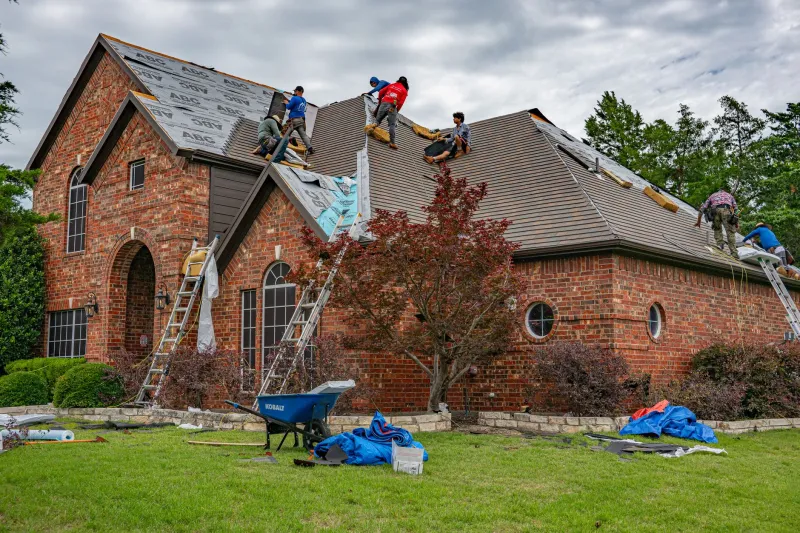
Photo by Photo by Paragon Exterior on Unsplash on Unsplash
At some point, almost every homeowner faces the same uncomfortable conversation: the roof has to go. Whether it's age, storm damage, or just the slow creep of wear, a full replacement is one of the biggest investments you'll make in your home. And the first question everyone asks — "what should I put on it?" — turns out to be a lot more loaded than it sounds.
Walk into any roofing conversation and you'll hear strong opinions. Metal is the future. Architectural shingles are the sweet spot. Basic three-tab asphalt is all anyone really needs. The truth? None of those answers are universally right, because the best roofing material depends heavily on your specific situation — your climate, your budget, how long you plan to stay in the house, and what you're willing to deal with in terms of maintenance.
Let's break it down honestly.
Three-Tab Asphalt Shingles: The Budget-Friendly Baseline
Three-tab asphalt shingles have been the default American roofing material for decades, and there's a reason they're still on millions of homes across the country: they're affordable and they work. Installation is straightforward, replacement costs are low, and virtually every roofing contractor in the country knows how to work with them.
That said, three-tab shingles have a relatively modest lifespan — typically 15 to 20 years under normal conditions, and less in climates with extreme heat, heavy freeze-thaw cycling, or frequent severe weather. They're lighter and thinner than other options, which makes them more susceptible to wind uplift. Most three-tab products are rated for winds up to around 60 mph, which sounds fine until you're in the path of a tropical system.
Best for: Homeowners on a tight budget, rental properties, or situations where a lower upfront cost takes priority over long-term performance.
Watch out for: Don't let the low initial price fool you into ignoring long-term cost of ownership. If you're replacing three-tab shingles every 15-20 years while your neighbor's metal roof is still going strong at year 40, the math changes significantly.
Architectural (Dimensional) Shingles: The Upgraded Middle Ground
Architectural shingles — sometimes called dimensional or laminate shingles — are still asphalt-based, but they're a meaningful step up from three-tab. They're thicker, heavier, and constructed with multiple layers bonded together, which gives them a more textured, layered appearance that mimics wood shake or slate.
Lifespan on quality architectural shingles typically runs 25 to 30 years, with premium lines pushing toward 30 to 50 years under ideal conditions (though real-world performance varies by climate and installation quality). Wind resistance ratings are generally better too — many products are rated up to 110 or 130 mph, which is a legitimate advantage in storm-prone regions.
For most homeowners replacing a roof on a primary residence, architectural shingles represent the value sweet spot. You're getting meaningfully better durability and aesthetics than three-tab without the significant price jump that comes with metal.
Best for: Homeowners planning to stay in the home for 10+ years who want solid performance without paying a premium price. Also a strong choice in areas with moderate weather variability.
Watch out for: Installation quality matters a lot here. Architectural shingles installed incorrectly lose their warranty protection and underperform their rated lifespan. Always verify your contractor's installation standards.
Metal Roofing: The Long Game
Metal roofing has shed its industrial image in recent years and is increasingly common on residential homes across the country — and for good reason. A properly installed standing-seam or metal shingle roof can last 40 to 70 years. Some manufacturers back their products with 50-year warranties. That's a roof you may genuinely never have to replace again.
Beyond longevity, metal roofing offers serious advantages in specific climates. In hot Southern states, metal reflects solar heat rather than absorbing it, which can noticeably reduce cooling costs. In snow-heavy Northern climates, metal's smooth surface sheds snow and ice more readily than textured shingles, reducing the risk of ice dam formation. And in hurricane-prone coastal areas, high-quality metal systems can be rated for winds exceeding 140 mph.
The tradeoff is upfront cost. Metal roofing typically runs two to three times the installed price of architectural shingles, sometimes more depending on the system and region. For homeowners planning to sell in the next five years, recouping that investment through resale value isn't guaranteed. For someone planning to stay put for 20 or 30 years, the math often flips entirely.
One more thing worth noting: not all metal roofing is equal. Corrugated metal panels, standing-seam systems, and metal shingles perform differently and have different aesthetic profiles. A contractor who installs all three can help you match the right product to your home's architecture and your performance goals.
Best for: Long-term homeowners, homes in extreme climate zones (high heat, heavy snow, hurricane-prone areas), and anyone who wants to make one roofing decision and be done with it.
Watch out for: Cheaper metal products, particularly thin gauge steel without proper coatings, can be prone to corrosion and denting. Material quality matters enormously here.
The Climate Factor: Where You Live Changes Everything
No roofing material comparison is complete without talking about regional climate, and this is where a lot of generic advice falls short.
In the Gulf Coast and Southeast, wind and moisture resistance should be your primary concerns. Architectural shingles with high wind ratings or metal roofing are both strong choices. In the arid Southwest, UV degradation is a significant factor — materials that hold up under intense sun exposure deserve priority. In the Upper Midwest and Northeast, freeze-thaw resistance and snow load performance are critical, and metal roofing's ability to shed snow cleanly is a real functional advantage.
This is one of the main reasons a local contractor's knowledge matters. A roofing company that works primarily in your region understands how different materials actually perform under local weather conditions — not just how they perform in manufacturer testing scenarios.
Making the Call
Here's the bottom line: there is no universally superior roofing material. Three-tab asphalt makes sense in specific situations. Architectural shingles are the right answer for a lot of homeowners. Metal roofing is genuinely the best long-term investment for many others.
What separates a good roofing decision from a costly one is moving beyond the price tag on the estimate and thinking about total cost of ownership, your home's specific vulnerabilities, and how long you need that roof to perform.
At 1BF Roofing & Exteriors, we walk every homeowner through this conversation before we ever talk numbers. The right roof for your house isn't the cheapest one or the most expensive one — it's the one built tough and finished right for your specific situation. That's the standard we hold ourselves to on every single job.