Your Attic Is a Furnace in July — And Your Shingles Are Paying the Price
Picture this: it's a Tuesday in late July, the kind of day where the pavement shimmers and your car's steering wheel is too hot to touch. You're inside, air conditioning humming, and you're not thinking about your roof. Why would you be?
But up in your attic right now, the temperature might be sitting somewhere between 140°F and 160°F. No exaggeration. That space directly beneath your shingles — the one you probably haven't opened since you stuffed holiday decorations up there in December — is essentially a slow cooker. And your roofing materials are the ones getting cooked.
This is one of those problems that's completely invisible from the curb. You won't see it on a casual drive-by. Your neighbor won't mention it. But give it a few summers, and you'll start to notice something strange happening to your shingles. They'll begin to cup — edges curling upward like a dried-out potato chip. Once that starts, you're not far from a conversation about full roof replacement.
What Actually Happens to Shingles in Extreme Heat
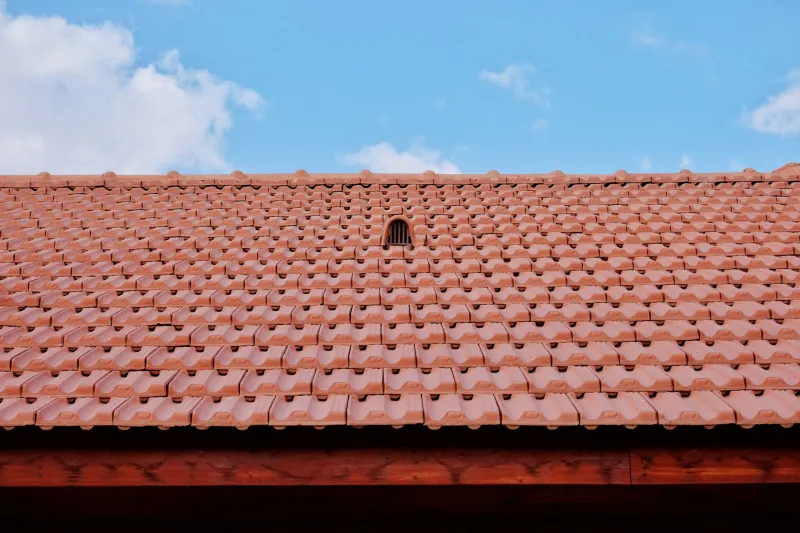
Asphalt shingles are engineered to handle outdoor exposure — UV rays, rain, freeze-thaw cycles, all of it. What they're not engineered to handle is sustained, relentless heat baking them from underneath.
When attic temperatures spike, the underside of your roof deck absorbs that heat and transfers it directly into the shingles above. The asphalt compound softens repeatedly, day after day, summer after summer. The oils that keep shingles flexible begin to break down faster than the manufacturer ever intended. What you're left with is a material that becomes brittle at the edges, loses its granule adhesion, and starts to physically deform.
Cupping — where the edges of a shingle turn upward — is one of the most common symptoms. Clawing, where the middle of the shingle buckles while the edges stay flat, is another. Both create gaps that let water sneak underneath during rain. Both also signal that the shingle has aged prematurely, often by five to ten years off its rated lifespan.
Here's the kicker: most shingle warranties have specific clauses about ventilation. If your attic doesn't meet the ventilation requirements outlined by the manufacturer, and your shingles fail early, that warranty claim might get denied. The shingles didn't fail — your system failed them.
The Ventilation Math Most Homeowners Don't Know
The general rule in the roofing industry is one square foot of net free ventilation area for every 150 square feet of attic floor space. That's the minimum. When you have a vapor barrier, some codes allow you to stretch that to 1:300 — but that's a best-case scenario, not a standard to aim for.
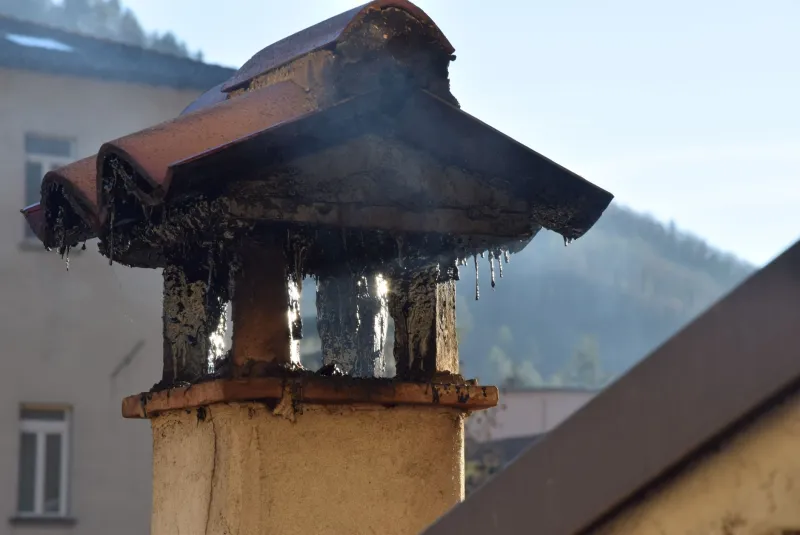
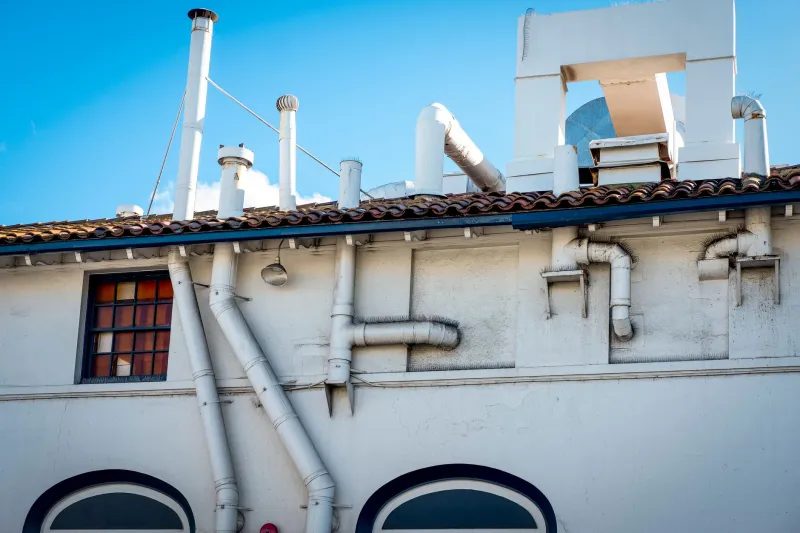
More importantly, ventilation only works when it's balanced. You need intake and exhaust. Intake typically comes from soffit vents at the lower edge of your roof. Exhaust comes from ridge vents, box vents, or powered attic fans near the peak. Air enters at the bottom, rises as it heats up, and exits at the top. That's the system working as designed.
The problem is that plenty of homes — especially older ones — have exhaust venting but almost no intake. Or they have intake but it's been blocked by insulation that was pushed too far toward the eaves. The result is stagnant, superheated air sitting in the attic with nowhere to go. It just builds. And builds. And builds.
Why This Problem Hides So Well
Unlike a roof leak, which announces itself through water stains on your ceiling, an overheating attic doesn't give you any obvious warning signs inside the house. You might notice your upstairs rooms are harder to cool in summer, or your energy bills creep up year after year — but those are easy to chalk up to aging HVAC equipment or rising utility rates.
The shingle damage accumulates quietly. By the time cupping is visible from the ground, or a roofer spots it during a routine inspection, the roof has already lost a significant chunk of its service life. What should have been a 25- or 30-year roof is now looking at replacement in 15.
That's not a small financial hit. A full roof replacement on an average American home runs anywhere from $8,000 to $20,000 or more depending on the size, pitch, and materials. A properly functioning ventilation system, by comparison, might cost a fraction of that to install or correct — and it extends the life of everything above it.
What a Proper Ventilation System Actually Does
Beyond just protecting shingles, a well-designed attic ventilation system does a few things that compound over time.
It keeps your energy costs in check. When your attic isn't trapping 150-degree air, that heat isn't radiating down through your ceiling into your living space. Your air conditioner doesn't have to fight as hard. Over a summer, that adds up.
It prevents moisture damage in winter. Ventilation isn't just a summer concern. In colder months, warm moist air from inside your home rises into the attic. Without adequate airflow, that moisture condenses on the underside of the roof deck, leading to mold, rot, and structural damage. The same vents that flush out summer heat also flush out winter humidity.
It protects your insulation's effectiveness. Wet or heat-damaged insulation doesn't perform. If your attic ventilation is failing, there's a good chance your insulation is suffering too — which creates a feedback loop where your home gets harder and harder to regulate.
What to Do If You're Not Sure About Your Attic
Start with a simple check. On a hot summer afternoon, open your attic hatch and carefully feel the air. If it hits you like opening an oven, that's a sign. A proper ventilation setup should still be hot — it's an attic — but not suffocating.
Look at your soffit vents from outside. Are they blocked by paint, debris, or insulation? Can you see daylight through them from inside? Walk the ridge of your roof line (or have someone do it for you) and confirm there's a functioning ridge vent or adequate box vents near the peak.
If you're not comfortable doing any of that yourself, a roofing inspection is the right call. At 1BF Roofing & Exteriors, we look at ventilation as part of every roof assessment — because a new roof installed over a broken ventilation system is just a new roof on a countdown timer.
Built tough and finished right means making sure the whole system works together. Your shingles are only as good as the environment they're living in. And right now, in the middle of summer, that environment might be doing them more harm than any storm ever could.