Pretty Pictures Don't Tell the Whole Story: How to Actually Read a Contractor's Portfolio
Let's be honest — a portfolio of finished roofs is about as useful as a restaurant menu without prices. Sure, it looks great. But you still don't know what you're really getting into.
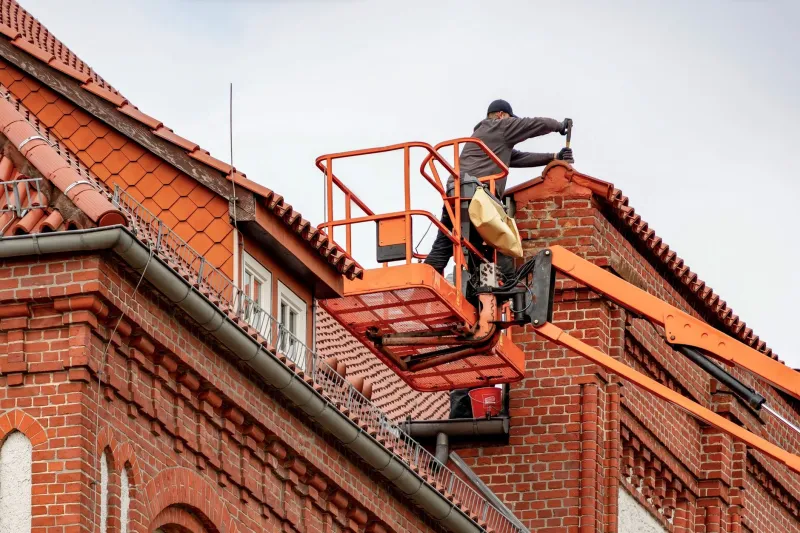
Nearly every roofing contractor in the country has a gallery on their website. Shiny new shingles. Clean ridge lines. Perfectly sealed flashing. And almost none of them show you what was underneath before the work started, what went sideways during the project, or how they handled problems when things didn't go according to plan.
That's not an accident.
A polished portfolio is a marketing tool. It's designed to make you feel confident. And sometimes, it works — because the contractor genuinely does great work and just didn't think to document the harder parts. But sometimes, it works because the contractor is very good at photography and very bad at roofing.
Here's how to tell the difference.
The Finished Photo Is the Least Useful Thing in the Album
We know that sounds counterintuitive. But think about it — a finished roof that looks clean in a photo doesn't actually tell you anything about the quality of work underneath. Shingles can look perfect from the street and still be nailed incorrectly, laid over rotted decking, or missing half the underlayment they need.
The finished photo is the final coat of paint on a wall. You can't tell from the outside whether the drywall was prepped properly, whether the primer was applied, or whether there's a moisture problem hiding behind it.
What you actually want to see is everything that happened before that final photo was taken.
Ask for the "Before" — and Not Just the Obvious Before
Most contractors who do show before-and-after photos will show you something like: old, worn shingles on the left, new shingles on the right. That's the easy before-and-after. It doesn't tell you much.
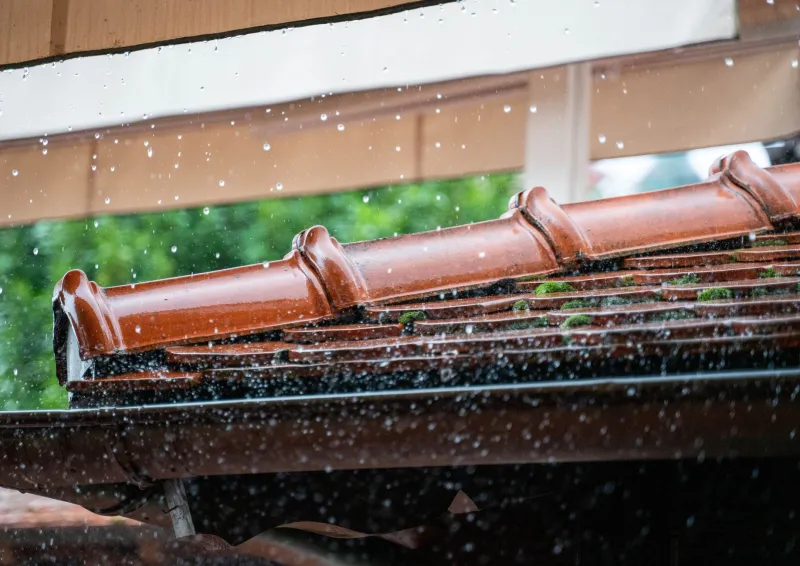
What you should ask for is documentation of what they found underneath the old roof. Did they pull off the shingles and find rotted decking? Did they discover improper flashing that had been causing slow leaks for years? Was there insulation damage, or evidence of animal intrusion, or signs that a previous contractor had layered shingles over shingles instead of doing a proper teardown?
A contractor who has been doing this work honestly will have photos of those discoveries — because documenting them protects everyone. It shows the homeowner what the problem was, explains why the job took longer or cost more than expected, and creates a record of the work that was actually done.
If a contractor's portfolio is entirely composed of clean-site, sunny-day finished shots with zero evidence of anything being complicated, that's worth asking about.
Mid-Project Photos Are Where the Real Story Lives
Here's what we look for when we're evaluating a contractor's work history: mid-project documentation.
This means photos of the deck after the old roofing material has been stripped. Photos showing how the drip edge was installed before the underlayment went down. Close-ups of valley flashing, step flashing around chimneys, and ice-and-water shield placement at the eaves.
These aren't glamorous photos. Nobody's sharing them on Instagram for the likes. But they are the evidence that a contractor actually knows what they're doing beneath the surface — and that they're not just racing to get the pretty layer on top so they can move to the next job.
If a contractor looks at you blankly when you ask for this kind of documentation, or tells you they "don't really take those," that's information. It doesn't automatically mean they do bad work. But it does mean you have less to go on.
Red Flags That Can Hide in Plain Sight
Even in finished photos, there are things worth looking at closely. Here are a few:
Uniform, flawless ridge lines with no visible vents. A roof without adequate ridge ventilation is a roof that's going to age fast. If every photo in a contractor's portfolio shows a perfectly smooth ridge with no ventilation components, either they're not photographing those details — or they're not installing them.
No visible drip edge at the eaves. It's a small detail, but drip edge is required by most building codes and is critical to keeping water away from the fascia and decking. You can often see it (or not see it) in close-up eave shots.
Siding or trim work that looks great at a distance but shows caulk gaps up close. Zoom in on any photos where you can. Sloppy caulk lines, visible gaps at J-channel intersections, or trim that's clearly been cut short and filled are signs of workmanship that doesn't hold up over time.
Gutters reattached to rotted fascia. If a contractor replaced a roof but the fascia boards underneath the gutters are visibly soft or discolored in the finished photo, they either missed it or ignored it. Either way, it's a problem.
What a Trustworthy Portfolio Actually Looks Like
A contractor who's confident in their work will show you things that make the job look harder, not easier. They'll have photos of the mess before the cleanup. They'll show you the decking they replaced and explain why. They'll walk you through the flashing details on a tricky chimney or dormer because they're proud of how they handled it — not because they're trying to impress you with a sales pitch.
At 1BF Roofing & Exteriors, we document our jobs from start to finish — not because we're required to, but because we believe homeowners deserve to see exactly what they paid for. The structural repairs, the unexpected finds, the mid-project decisions that changed the scope of work. All of it.
That's what "Built Tough. Finished Right." actually means. Not just a clean final photo. The whole job, done properly, every time.
The Question You Should Ask Every Contractor
Before you sign anything, ask this: "Can you show me a project where something unexpected came up — and walk me through how you handled it?"
A good contractor will have an answer ready. They'll remember the job. They'll tell you what the problem was, what they decided to do, and why. They might even pull out their phone and show you photos.
A contractor who struggles to answer that question — or who insists that problems "never really come up" on their jobs — is either not being honest with you or hasn't been paying enough attention to know when something went wrong.
Either way, you've learned something important before you ever handed over a deposit.
Portfolios are a starting point, not a finish line. Use them to open a conversation, not close one.