The Winter Threat Hiding in Plain Sight: What Ice Dams Are Really Doing to Your Roof
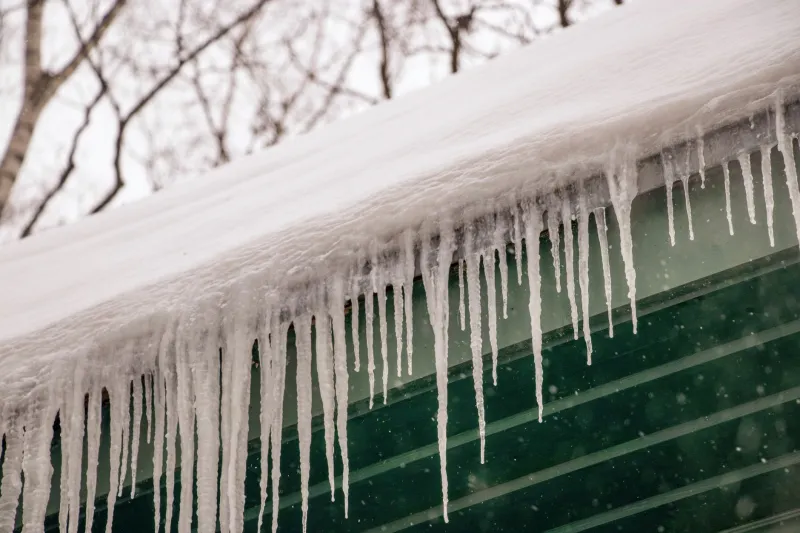
There's something almost picturesque about a house with thick icicles hanging off the eaves in January. Neighbors walk by, maybe snap a photo. It looks cozy, wintry, almost like a greeting card.
Except it's not. Those icicles — and the ridge of ice that forms behind them — are a warning sign. One that a lot of homeowners miss until water is dripping through their ceiling or they're peeling back drywall to find soaked insulation and black mold.
Ice dams are one of those problems that look harmless on the outside while doing serious, expensive damage underneath. And in colder US climates — think the Upper Midwest, New England, the Great Lakes region, even higher elevations in the Mid-Atlantic — they're more common than most people realize.
Let's break down exactly what's going on, why it matters, and how to actually fix the underlying problem instead of just chipping away at the symptom.
How an Ice Dam Actually Forms
The short version: your roof is warm in the middle and cold at the edges. Snow melts in the center, runs down toward the eaves, and then refreezes when it hits that colder overhang. Over time, that frozen water builds up into a thick wall of ice — a dam — that traps the meltwater behind it.
That trapped water has nowhere to go. So it does what water always does: it finds a way in. It seeps under shingles, works its way into the underlayment, gets into the decking, and eventually makes it into your attic or living space.
Here's the part that surprises most homeowners: the ice itself isn't the main villain. The real culprit is heat escaping from inside your home. If your attic is poorly insulated or ventilated, warm air bleeds through your roof deck, creating that uneven temperature pattern that kicks the whole cycle off.
In other words, an ice dam isn't a weather problem. It's a building science problem.
The Damage You Can't See (Until It's Too Late)
The visible stuff — the ice, the icicles, maybe a little water stain on the ceiling — is just the tip of the iceberg (pun very much intended). Here's what's often happening out of sight:
Shingle and underlayment failure. Water that sits under your shingles for days or weeks degrades the adhesive strips, warps the shingle itself, and breaks down the underlayment that's supposed to be your last line of defense.
Rotting roof decking. Once moisture gets into the wood sheathing beneath your shingles, you're on the clock. Rot spreads. Structural integrity takes a hit. And replacing decking isn't cheap.
Saturated insulation. Wet insulation doesn't just lose its effectiveness — it becomes a sponge that holds moisture against your ceiling joists and framing. That's a mold incubator.
Interior water damage. Eventually, that water finds its way into your living space. Stained ceilings, warped drywall, ruined flooring. By the time you see it, the damage has already been building for weeks.
The frustrating part? Most of this damage isn't covered under standard homeowner's insurance because it's considered a maintenance issue — something that could have been prevented.
Why the Rake-and-Chip Approach Falls Short
Every winter, you'll see homeowners out there with roof rakes, pulling snow off the edge of their rooflines. Or worse, someone's up on a ladder chipping at ice with a mallet. It's a common response, and honestly, it's understandable — you see a problem, you want to fix it.
But here's the issue: those approaches only address what's already formed. They don't stop the next ice dam from building. And if you're not careful, you can crack shingles, damage gutters, or end up on the ground in a bad way.
Calcium chloride ice melt products are another popular DIY move. They can help in a pinch — especially those sock-in-a-stocking tricks you see online — but again, they're reactive, not preventative. You're treating the symptom, not the source.
The source, remember, is heat loss from inside your home.
The Real Fix: Start From the Inside Out
If you want to actually stop ice dams from forming — not just manage them season after season — the work starts in your attic.
Insulation first. Your attic floor needs to be properly insulated to keep conditioned air from escaping into the attic space. The right R-value depends on your climate zone, but in cold-weather states, you're often looking at R-38 to R-60. A lot of older homes are significantly under-insulated, which means warm air is constantly bleeding upward and warming that roof deck.
Then ventilation. This one surprises people. You want your attic to be cold in winter — close to the same temperature as the outside air. That's how you keep the roof deck uniformly cold and prevent that uneven melt pattern. Proper soffit and ridge ventilation creates airflow that flushes warm air out before it can do damage. (We actually wrote a whole piece on attic ventilation if you want to go deeper on that topic.)
Ice and water shield. On the roofing side, a professional installation should include an ice and water shield membrane along the eaves — typically the first few feet of your roof. This self-adhering barrier is your last line of defense if water does back up under your shingles. It's not a replacement for good attic performance, but it's essential insurance.
Proper gutter maintenance. Clogged gutters accelerate ice dam formation by giving water nowhere to drain. Keeping them clean going into winter — and making sure they're pitched correctly — is a simple step that makes a real difference.
Why This Is Worth Getting Right Before Winter
Here's the thing about ice dam damage: it's cumulative. One season might leave you with minor staining. Two or three seasons of repeated ice dams can mean rotted decking, compromised shingles, and mold remediation on top of a roof replacement. The cost compounds fast.
At 1BF Roofing & Exteriors, we don't think of ice dam prevention as a one-off job. It's part of how we approach roofing systems as a whole — because a roof that's installed without considering what's happening in the attic underneath it is only doing half the job. The exterior finish matters. So does the building science behind it.
If you've had ice dams in previous winters, or if you've noticed uneven snow melt patterns on your roof (some areas bare while others stay snow-covered), those are signs worth paying attention to. A professional assessment can tell you whether your attic insulation and ventilation are doing what they're supposed to — before the next cold snap turns your roofline into a problem.
Built tough means thinking ahead. And in this case, thinking ahead means not waiting until January to figure out why your ceiling is dripping.

