Water Always Wins: The Sneaky Way Poor Drainage Brings Down Your Roof and Foundation Together

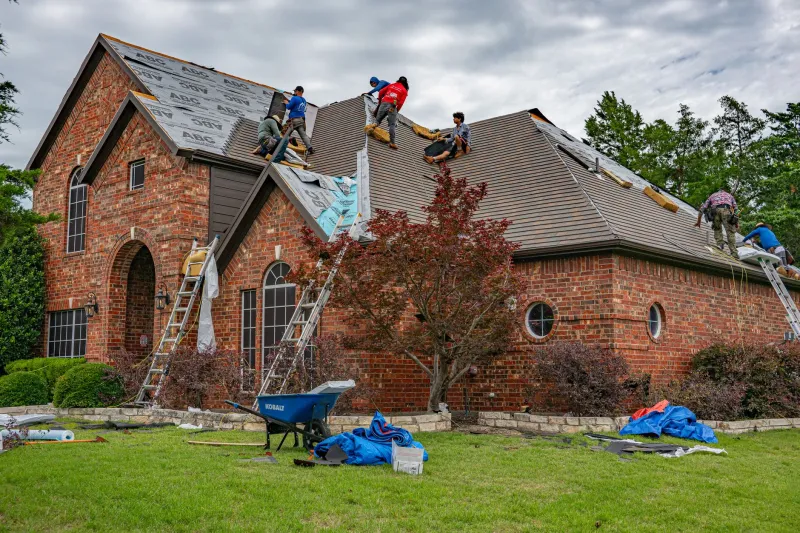
Photo by Photo by Kenneth Adams on Unsplash on Unsplash
There's a phrase we use around here a lot: water always finds a way. It's not being dramatic — it's just physics. And when your home's drainage system isn't doing its job, that water isn't just sitting there looking inconvenient. It's working. Slowly, patiently, and expensively.
Most people treat roof problems and foundation problems as two completely separate issues. Call the roofer for one, call a structural engineer for the other. But here's the thing — in a surprising number of cases, they share the exact same root cause: water that has nowhere to go.
What Happens When Gutters Fail (And It's Not Just a Wet Driveway)
Your gutter system exists for one reason: to collect water off your roof and move it away from your home's perimeter. When gutters are clogged, improperly pitched, undersized, or just plain missing, that water cascades straight down the exterior walls and pools at the base of your foundation.
Now here's where it gets interesting. Soil that gets repeatedly saturated expands and contracts. That constant movement puts lateral pressure on foundation walls. Over time, you get cracks. Those cracks let in more water. That water finds its way into your basement or crawl space, and suddenly you've got moisture problems that creep upward through your home's structure.
A wet crawl space, for example, dramatically increases humidity levels in your attic. And a humid attic? That's the fast lane to roof deck rot, mold growth, and shingle failure — even on a roof that's only a few years old.
So yes, a $40 gutter cleaning you skipped two years ago can absolutely be connected to the $12,000 roof replacement you're now staring down.
The Foundation-to-Roof Pipeline Nobody Talks About
Let's walk through how this chain reaction actually works in a real home.
It starts with water pooling near the foundation. Maybe your gutters are overflowing, maybe your yard slopes toward the house instead of away from it, maybe your downspout extensions are too short. Water saturates the soil.
That moisture works its way under the slab or into the crawl space. Wood framing in crawl spaces absorbs moisture. Structural members begin to soften. Subflooring weakens. And the walls and roof structure that sit on top of that framing? They start to shift — subtly, but measurably.
Meanwhile, up top, that same moisture-laden air is rising. Your attic takes the hit first. If your ventilation isn't perfect (and most homes' isn't), that warm, wet air condenses on the underside of your roof deck. Wood rots. Nails corrode and lose their grip. Shingles start lifting. Ice dams form in northern climates because the heat escaping through a compromised roof deck melts snow unevenly.
The roof fails. The foundation cracks. And the homeowner is left wondering how two completely different contractors ended up quoting them repairs in the same month.
Yard Drainage: The Part Everyone Ignores Until It's Too Late
Beyond gutters, there's another culprit that rarely gets the attention it deserves: your yard's grading and drainage design.
The ground around your home should slope away from the foundation — typically a drop of about six inches over the first ten feet. If your landscaping has settled over the years, or if you've added mulch beds that now direct water inward, you've created a slow-motion disaster.
French drains, swales, and proper regrading are all legitimate solutions that most homeowners don't even know to ask about. These aren't luxury upgrades — they're protective infrastructure. And when you think about the cost of foundation repair (which can run anywhere from $5,000 to $30,000 or more depending on severity), a few hundred dollars spent on regrading looks like the best investment you've ever made.
What to Actually Look For
You don't need to be a contractor to spot early warning signs. Here's a quick checklist worth walking through after the next heavy rain:
- Gutters overflowing at any point along the roofline — this means they're clogged, undersized, or improperly pitched
- Water staining on your foundation walls or siding near the base
- Soggy ground that stays wet for more than a day or two after rain
- Downspouts that empty too close to the foundation — extensions should carry water at least four to six feet away
- Efflorescence (white chalky residue) on basement or foundation walls — a telltale sign of water infiltration
- Musty smells in your basement or crawl space, especially after rain
If you're checking boxes on that list, the drainage around your home deserves a serious look before you spend money on anything else.
Built Tough Means Built Smart
At 1BF Roofing & Exteriors, we see the aftermath of drainage neglect more often than we'd like. A homeowner calls us about a roof that looks like it's only halfway through its expected lifespan, and when we start asking questions, the story always involves water — water that was never properly managed, water that found the path of least resistance, water that won.
The good news is that most of this is preventable. A properly installed gutter system with appropriate sizing, correct pitch, and adequate downspout extensions does a tremendous amount of heavy lifting. Pair that with smart yard drainage and regular maintenance, and you've created a system that protects your foundation and your roof simultaneously.
That's not a coincidence. It's how well-built homes are designed to work.
If you're not sure whether your drainage setup is up to the task, it's worth having someone take a look — especially before storm season hits. The cost of a professional assessment is nothing compared to the cost of finding out the hard way.