Rotting From the Edges: How Neglected Fascia Boards Turn Into a Five-Figure Nightmare

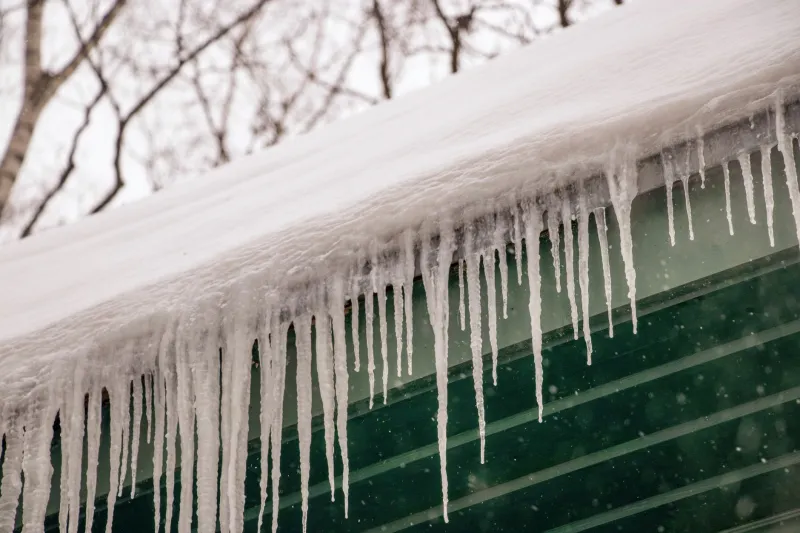
Photo by Photo by Limi change on Unsplash on Unsplash
Most homeowners can name their roof. They can point to their gutters. But ask someone to locate their fascia boards, and you'll usually get a blank stare and a shrug.
That's a problem — because fascia boards sit at one of the most vulnerable points on your entire home, and when they start to fail, they rarely fail quietly. They take things with them: your gutters, your soffit, your roof deck, your wall sheathing, and sometimes even your attic framing. What starts as a soft spot on a painted board can snowball into structural damage that costs anywhere from a few thousand dollars to well over twenty.
At 1BF Roofing & Exteriors, we've pulled back enough compromised fascia to know exactly how this story unfolds. And it almost always starts the same way — with someone deciding to patch instead of fix, or assuming that because it looks okay from the ground, it probably is okay.
It usually isn't.
What Fascia Boards Actually Do (And Why That Matters)
Fascia boards are the long horizontal boards that run along the lower edge of your roof, right where the rafters meet the exterior wall. They're the surface your gutters attach to, and they work alongside the soffit (the underside of your roof overhang) to close off the roofline from weather and wildlife.
That position — at the intersection of roof, wall, and gutter system — makes fascia boards one of the most moisture-exposed pieces of wood on your entire home. Every rainstorm, every overflowing gutter, every freeze-thaw cycle in a northern winter is working against them. When they're properly installed and well-maintained, they handle it fine. When they're not, water finds its way in and starts doing what water always does: destroying everything it touches.
The Cascade Nobody Sees Coming
Here's the part that catches homeowners off guard. Fascia rot doesn't just stay in the fascia.
When a fascia board begins to soften and decay, it loses its structural grip on the gutters. Gutters that were once firmly anchored start to pull away or tilt, which means water that should be channeled away from your home is now spilling directly against your siding, your foundation, and the roof edge itself.
At the same time, gaps open up between the fascia and the soffit. Those gaps are an open invitation for wasps, carpenter bees, squirrels, and mice. Once pests are inside your soffit cavity, they're one thin layer of material away from your attic insulation. And once they're in your attic, you've got a whole different category of problem.
Meanwhile, the water that's been sitting against that compromised fascia is wicking into the roof deck — the plywood or OSB sheathing that your shingles are nailed to. Rot in the roof deck means your shingles no longer have a solid foundation, which accelerates wear and can eventually lead to shingle failure and interior leaks.
All of this from one soft board that someone painted over and called it a day.
Why Cheap Fixes Make It Worse
The most common "fix" we see when we pull back problem fascia is paint. Someone noticed the board looked rough, slapped on a coat of exterior latex, and moved on. Paint can cover surface weathering, sure. But it cannot stop rot that's already taken hold beneath the surface — and in some cases, sealing over compromised wood with paint actually traps moisture inside and accelerates the decay.
The second most common bad fix is caulk. Gaps between the fascia and the soffit, or between the fascia and the roof edge, get filled with caulk and forgotten. Again — if water has already gotten into the wood, caulking over the gap doesn't fix anything. It just hides it.
A proper fascia repair means removing the damaged board entirely, inspecting the rafter tails and wall framing behind it, treating or replacing any compromised wood, and installing new fascia that's properly primed on all six sides before it goes up. Anything less is borrowing time.
Warning Signs You Can Spot From the Ground
You don't need to climb a ladder to catch fascia problems early. Here's what to look for during a casual walk around your home:
Gutters pulling away from the roofline. If there's a visible gap between your gutters and the fascia, or if the gutters are visibly sagging, the fascia behind them may already be too soft to hold the fasteners.
Peeling or bubbling paint along the roofline. Paint doesn't bubble on solid wood. If you're seeing that, moisture is getting in from somewhere.
Dark staining or discoloration on the fascia surface. Tannin bleed and mold staining are early signs that water is sitting where it shouldn't be.
Soft spots when you press on accessible sections. If you can reach your fascia from a porch roof or low eave and it gives under pressure, the wood is compromised.
Pest activity near the roofline. Wasps building nests in your soffit, or squirrels that seem to disappear into your eaves, often means there's a gap in the fascia-soffit connection.
Water stains on your interior ceiling near exterior walls. By the time you see this, the damage is already well underway — but catching it here is still better than letting it go further.
How Often Should Fascia Be Inspected?
A good rule of thumb: any time your roof gets looked at, your fascia should too. After major storms, after a long winter, and any time your gutters are cleaned are all good opportunities to take a careful look at the roofline.
If your home is more than 15 years old and the fascia has never been replaced, it's worth having a professional take a closer look — especially if you have wood fascia (as opposed to aluminum-wrapped or composite). Wood fascia is durable when properly maintained, but it does have a lifespan, and that lifespan shortens significantly in climates with heavy rainfall, frequent freeze-thaw cycles, or high humidity.
The Bottom Line
Fascia boards are easy to overlook precisely because they blend into the background of your home's exterior. They're not flashy. They're not the first thing anyone notices. But they're doing critical work every single day, and when they fail, they fail in ways that spread fast and cost a lot.
The homeowners who come to us with the biggest repair bills aren't the ones who ignored their roofs entirely. They're the ones who noticed something small, patched it with paint or caulk, and assumed that was enough. It rarely is.
If something along your roofline doesn't look right — even if you can't quite put your finger on what — trust that instinct. A quick inspection now is a whole lot cheaper than the cascade of damage that comes from waiting.